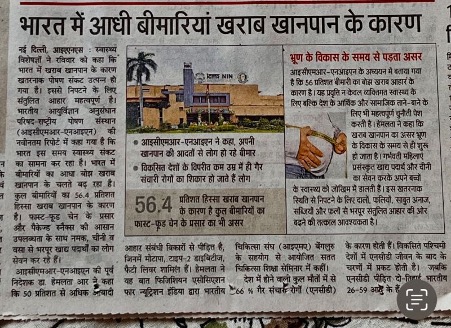
Unhealthy Eating Habits Fuelling India’s Disease
The main causes are
Urbanization and Lifestyle Shifts: Rapid urbanization has transformed dietary patterns. The convenience of processed foods, fast food, and readily available snacks has led to a decline in traditional, home-cooked meals rich in whole grains, vegetables, and fruits. This shift towards a Westernized diet, high in saturated fats, sugar, and sodium, is a major driver of the rise in Lifestyle Diseases.
Inadequate Nutrition Education: A significant portion of the population lacks comprehensive knowledge about healthy eating principles. Misinformation and misleading food labels further complicate dietary choices. This lack of awareness hinders individuals from making informed decisions about their food intake.
Unequal Access to Nutritious Food: Access to fresh, affordable, and nutritious food varies significantly across India. Low-income communities often face limited access to supermarkets, local markets with fresh produce, and affordable healthy options. This disparity contributes to a reliance on cheaper, less nutritious processed foods.
Aggressive Food Marketing: The food industry heavily promotes unhealthy products, particularly targeting children through attractive packaging, catchy jingles, and enticing advertisements. This constant exposure can influence food preferences and contribute to unhealthy eating habits.
#healthylifetsyle #Healthyeating #nutritiontips #cleanfood #labelpadhegaindia #nutbeez #nutbeezjunior #guiltfreeeating
“Power Up with Fruits: Your Path to a Healthier Life”
Fruits are essential for a balanced diet because they are packed with vital nutrients, antioxidants, and dietary fib er. They support overall health, boost immunity, and reduce the risk of chronic diseases. Incorporating a variety of fruits into your daily diet ensures you receive a range of health benefits, contributing to a vibrant and energetic lifestyle. It goes beyond doubt that fruits are healthy but that doesn’t mean you should eat them in unlimited quantities and adhering to certain guidelines can help you maximize their benefits.
Seasonal and Local: Always prefer seasonal and locally grown fruits. They are fresher, more nutritious, and environmentally friendly
Variety is Key: Different fruits offer different vitamins, minerals, and antioxidants.
Portion Control: While fruits are healthy, they still contain natural sugars. Be mindful of portion sizes to avoid excessive sugar intake.
Timing Matters: Eating fruits on an empty stomach, or as a standalone snack, can enhance digestion and nutrient absorption. Avoid consuming fruits immediately after a large meal.
Whole Fruits Over Juices
Pair Wisely: Combining fruits with a small amount of healthy fat or protein can help stabilize blood sugar levels. For example, a handful of nuts with berries. makhana with apples
By following these guidelines, you can make the most out of the fruits you consume, ensuring they contribute positively to your overall health and well-being

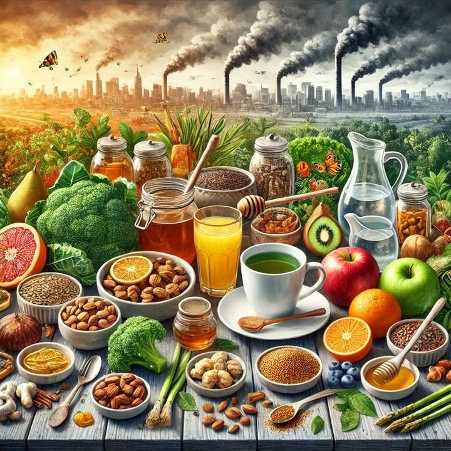
Fight Air Pollution with Diet
Delhi-NCR is grappling with severe air pollution, with the air quality index (AQI) plunging into hazardous levels. As we all face health challenges such as respiratory issues and weakened immunity, incorporating specific foods into our diet can help our body combat the effects of pollution naturally
A healthy diet can’t eliminate air pollution, but it can equip our body to fight its harmful effects. By incorporating these foods into our meals, we can strengthen our respiratory system, reduce inflammation, and boost our overall immunity. In the face of rising pollution, every small step towards better health matters! Here’s a list of powerhouse foods that help your body combat air pollution effectively:
Start your day with a cup of green tea and honey.
Snack on nuts and seeds or clean snacks and/or any fruit in between meals.
Add jaggery as a natural sweetener to your desserts or enjoy it as is.
Include turmeric and ginger in soups, teas, or curries.
Consume citrus fruits , berries or freshly squeezed juice regularly.
Consume Broccoli, Leafy Greens, seasonal vegetables, mushrooms, tomatoes, Whole Grains(such as millets), Omega-3 fatty acids
Last but not least, drinking water can help thin the mucus lining of your airways and lungs, making it easier to breathe.
Remember a balanced diet will support the body’s natural detox mechanism but it should be incorporated with healthy lifestyle changes also.